
It was late one Tuesday evening last January during a classic Oregon ice storm when I realized the kitchen faucet was making that horrifying 'hiss-thump' sound. You know the one—the sound of a water system that has officially given up on life. No power meant no well pump, and no well pump meant I was standing there with two very thirsty Golden Retrievers and a sink full of muddy kale.
Back in Portland, if the water stopped, I’d just call the landlord and complain until it was fixed. Here? I’m the landlord. I’m the maintenance person. And apparently, I’m also the one who forgot to fill the backup barrels before the lines froze. It’s a steep learning curve, friends. Before we dive into the gear that saved my sanity, just a quick heads up—this post has affiliate links. If you buy through them, I earn a commission at no extra cost to you. I only share stuff we actually use on our 5-acre mess, and believe me, we’ve broken enough things to know what actually lasts.
If you’re currently staring at your well head with a sense of impending doom, take a breath. I’ve spent the last three years figuring out how to keep the taps flowing because there is literally no one else to call. Whether you're dealing with a dry well or a power outage, you need a plan that doesn't involve crying into an empty bucket—though I've done that too.
The 'Brenda the Chicken' Standard of Water Safety
When we first moved here, I had this romantic Pinterest vision of gathering rainwater in beautiful wooden barrels. Then I saw Brenda—my favorite-but-clueless hen—standing on the roof directly above the collection gutter, doing... well, what chickens do. Suddenly, that 'natural' rainwater didn't look like something I wanted to put in my coffee.
I learned quickly that having water and having safe water are two very different things. I have zero medical or engineering training, so when I talk about 'safe,' I’m talking about what hasn't made us sick and what passes the basic tests. You should definitely talk to a local water professional or your county health department for the real scientific stuff, but for the rest of us just trying to survive a weekend without a pump, here is the reality.
Whether your well pump dies (like ours did that first summer—RIP to our savings) or the grid goes down, you need a way to turn 'questionable roof water' into 'drinking water.' I’ve tested filters that claim to be 'homestead ready,' and let me tell you, some of them are clearly designed by people who have never stepped in real mud. I’ve even had to learn how I fixed low water pressure from my well during the heat of July, which was a whole other nightmare.
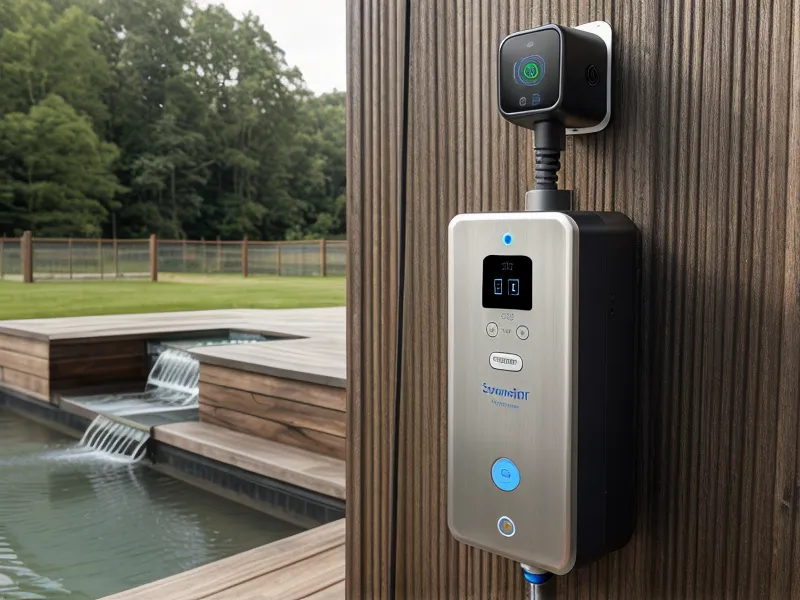
1. The Hero Pick: SmartWaterBox
This is the brain of my entire operation now. It’s not just a filter; it’s a management system that actually talks to you. When we first moved in, I lived in constant fear of the well running dry. The SmartWaterBox is what I wish I’d had from day one. It monitors your well’s health and lets you know if you're pushing things too hard before you actually burn out your expensive pump.
What I love most is that it integrates with backup tanks. Last April, when we had a minor electrical glitch, the box automatically switched us over to our backup supply without me even noticing until I checked the app. It’s like having a tiny, very smart engineer living in your pump house, which is great because the actual human living here (me) still doesn't quite understand how pressure tanks work. I actually wrote a full review of how the SmartWaterBox saved my well if you want to see the nitty-gritty of my 2 AM panic sessions.
The Reality Check: It does take a little bit of time to 'learn' your water usage. For the first week, it kept buzzing because I was watering the garden and the dogs' pool at the same time, which it flagged as a 'potential leak.' Once it figured out our chaos, it’s been smooth sailing.
2. The Gravity King: Aqua Tower
If the power is out for three days and you just want a glass of water without having to rewire a generator or mess with apps, the Aqua Tower is your best friend. It’s a gravity-fed system, which means it uses the ancient technology of 'water falling down' to move through the filters. I keep this one in the mudroom, right next to where I drop my muddy boots.
It’s sturdy enough that even when the dogs decide to have a wrestling match in the house, it doesn't tip. It’s also incredibly simple. You pour water in the top, wait a bit, and clean water comes out the bottom. I used this exclusively for two weeks while we were dealing with a sulfur smell in the well water that made the whole house smell like rotten eggs. It was the only way I could drink a cup of tea without gagging.
The Reality Check: It is tall. I am not. I literally have to use a step stool to pour the water in, which is a bit of a workout. But hey, homesteading is basically just an unpaid gym membership, right?

3. The Heavy Hitter: David's Shield
This is what I use when things get serious—like when I’m actually pulling water from our 'zip-tie special' rain collection system after a big storm. The David's Shield is a multi-stage filter that handles the heavy stuff. I’m talking sediment, weird smells, and whatever Brenda the chicken left on the roof.
It feels heavy-duty. Like, if a tractor ran over it, the tractor might be the one that breaks. It gives me a lot of peace of mind because it uses UV light to zap the tiny things you can't see. When you're living on a property with livestock and a septic system, you start to get a little paranoid about what's in the ground. Having this as a secondary line of defense makes me feel like a much more competent 'farmer' than I actually am.
The Reality Check: It’s the most expensive option on my list, and you do have to stay on top of the filter changes. I once let it go too long and the flow rate dropped to a trickle, which was entirely my fault for being lazy.
4. The 'Oh Crap' Budget Pick: Dark Reset
Look, homesteading is expensive. Between the broken fence posts and the surprise vet bills for the chickens, sometimes the budget is just... gone. The Dark Reset is a compact, no-frills kit for when you just need to survive a weekend emergency.
We keep one in the 'Go Bag' and one in the barn. It’s not going to provide water for your whole house or wash your laundry, but it’ll keep you and the dogs hydrated while you wait for the repair person to show up. It’s portable, simple, and cheap enough that you don't have to think twice about buying it. It’s the backup for the backup.
The Reality Check: The flow rate is slow. If you’re trying to fill a five-gallon bucket, you might as well pull up a chair and start a new hobby, because you’re going to be there for a while. But for a glass of water? It’s perfect.
How These Systems Actually Stack Up
I know, I know—it's a lot of options. When we were first starting out, I felt like I needed a PhD just to buy a garden hose. Here is the 'real world' breakdown of how these stack up against each other. I've rated them on a 'Frustration Scale' because that's the only metric that matters when you're tired, it's raining, and you just want to take a shower.
(Note: Frustration Scale 1 is 'Easy Peasy', 10 is 'I'm Moving Back to Portland')
A Lesson from the Summer of '24
One afternoon last August, it hit 100 degrees. In Oregon, that’s 'the world is ending' heat. My rain barrels were bone dry, and my well was struggling to keep up with the garden. I realized that if my primary system failed then, I’d lose my entire vegetable crop—and my sanity.
I ended up using a combination of the SmartWaterBox to monitor my well's recovery time and the Aqua Tower to keep us in drinking water while the well 'rested.' It was a stressful dance, but we made it. It taught me that on a homestead, one system is never enough. You need layers. You need a primary, a backup, and a 'the world is actually ending' emergency option.
The truth is, no system is perfect. My rain collection is still held together with zip ties and stubbornness, and I still occasionally have to chase a goat away from the filters. But having something in place means I don't have to panic every time a storm rolls in or the power flickers.
If you are just starting your rural journey, please don't wait until you're thirsty to figure this out. If you have the budget, start with the SmartWaterBox—it's the best investment for long-term well health. If you're just looking for an emergency backup that works when the lights go out, the Aqua Tower is a solid, dependable choice that doesn't require you to be an electrician.
Homesteading isn't about being perfect; it's about being prepared enough that the mistakes don't ruin your life. Now, if you'll excuse me, I have to go see why Brenda is clucking at the pressure tank. It’s never a good sign.
Ready to stop worrying about your well? Check out the SmartWaterBox here and give yourself one less thing to panic about at 3 AM!