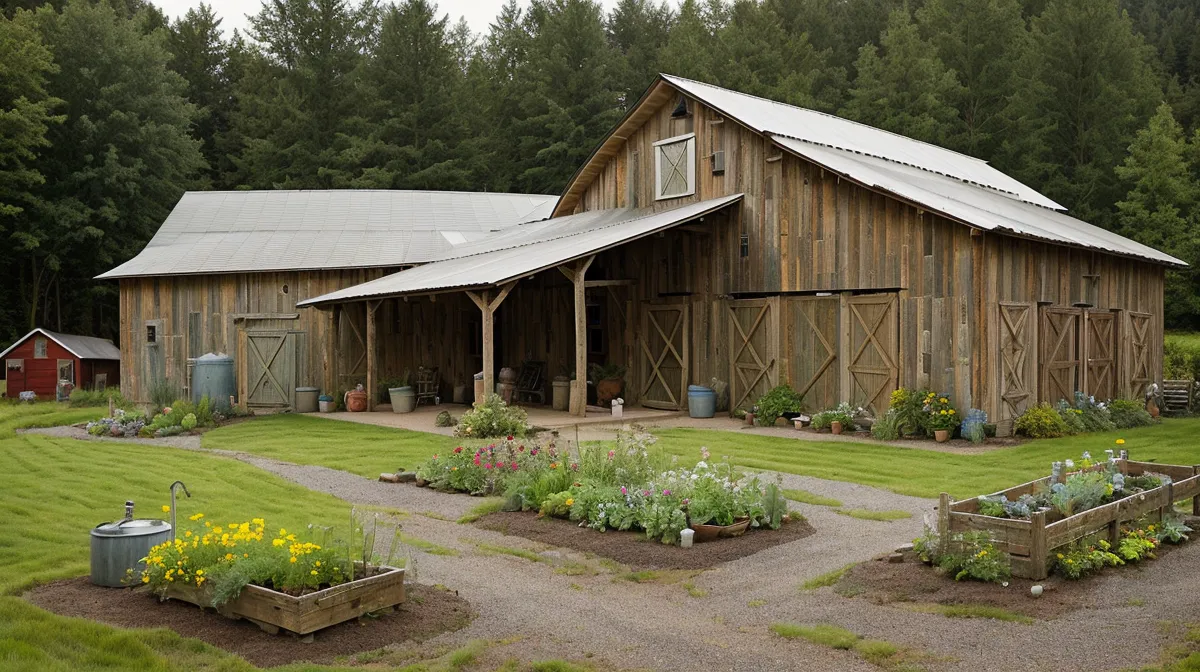
Three years ago, I thought water was something that just happened when you turned a handle—like a Netflix stream for your sink. Then I moved from a third-floor Portland apartment to five acres in rural Oregon, and the 'magic' stopped. I’ll never forget that first August afternoon when I turned on the kitchen faucet and heard... nothing. Just a dry, hollow wheeze from the pipes and the distant, frantic hum of a well pump trying to suck moisture out of a stone.
Just a quick heads-up: this post contains affiliate links. If you end up buying something through them, I get a small commission at no extra cost to you. Honestly, it helps keep the chickens in high-quality snacks. I only ever talk about gear we’ve actually broken, fixed, or relied on here on the property. I have zero engineering or plumbing certifications—I’m just a person who got tired of being thirsty. If your well is acting truly weird, please call a licensed well driller before you start poking things with a screwdriver.
Coming from the city, my first instinct was to throw money at the problem. I bought every 'survival' gadget that looked cool in a catalog. I thought I was being prepared, but mostly I was just being a sucker for camouflage-patterned plastic. Now that it’s May 2026 and we’ve survived three full cycles of Oregon mud and drought, I’ve realized that homestead water isn't about being a prepper—it’s about being a miniature utility company. And let me tell you, the utility company has better things to do than buy pocket-sized straw filters.
1. The 'Survival' Trap vs. Actual Infrastructure
When you're new, you tend to shop for the apocalypse. I spent way too much on those tiny portable filters meant for backpackers. They’re great if you’re hiking the PCT, but they are absolutely useless when you need to water forty frustrated chickens and a vegetable garden that’s wilting in the 90-degree heat. I once spent forty minutes hand-pumping a liter of water for Henrietta (our most judgmental hen) because our main line had a leak. She looked at me like I was the most incompetent servant she’d ever hired.
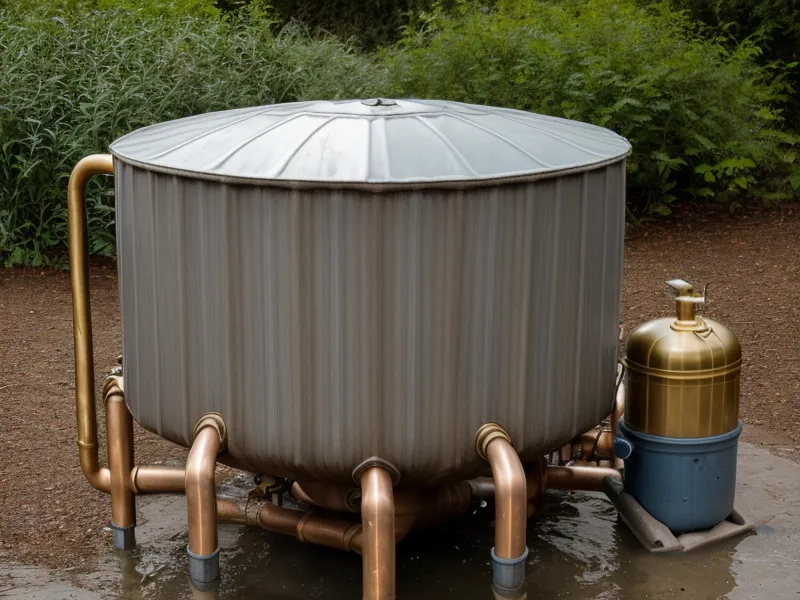
True homestead water isn't about surviving for three days; it’s about thriving for thirty years. You need capacity, not portability. You need storage tanks and gravity. If I could go back to 2023, I’d tell myself to skip the gadgets and invest in high-volume storage. Something like the Aqua Tower is what you actually want—a system that holds enough weight to create its own pressure so you aren't reliant on a buzzing pump every time you want to wash a carrot.
2. Monitoring: Because 'Guessing' Costs Three Grand
Remember that dry well? That mistake cost us about $3,000 in pump repairs and a week of hauling 'blue jugs' from the neighbors. I didn't know our well’s recovery rate back then. I thought the ground was a bottomless cup of water. It turns out, especially in our part of Oregon, wells have moods. They have limits. If you're a former city dweller, you need to understand well recovery rates before you start running the sprinklers for four hours.
I finally stopped the 3 AM panic attacks when I installed the SmartWaterBox. It’s basically a gas gauge for your water supply. Before, I was literally sticking a weighted string down a pipe to see how much we had left—which is exactly as high-tech as it sounds. Now, I can see on my phone if the tank is dropping too fast. It’s the single best piece of 'non-handy person' tech we own because it actually explains what’s happening in plain English before things break. If you want to know why I’m so obsessed with it, you can read about my 2 AM tank check epiphany here.
3. The Sediment War (Oregon Edition)
In Portland, the water was soft and polite. Here, the water is aggressive. It’s full of silt, iron, and things that look like orange snot. My first 'fancy' filter was a single-stage ultra-fine unit that I spent way too much on. It lasted exactly twelve days before the Oregon silt choked it to death. I learned the hard way that you need a 'staged' approach. You need a big, chunky 'pre-filter' to catch the pebbles and sand, then a medium one, and only *then* the expensive fine-particle stuff.
Everything on a homestead eventually leaks or clogs. Usually, it’s because a dog ran into a pipe or a chicken decided a valve was a toy. I’ve learned to keep things simple. If I can't fix it with a wrench and a slightly panicked YouTube search, I don't want it on my property. When you're looking at filtration, don't just look at the price of the unit—look at the price of the replacement filters. I actually wrote a whole guide on the best sediment filters for well water because I tired of our washing machine smelling like a swamp.
4. Power is Your Silent (and Often Absent) Partner
We had an ice storm back in February that took out the grid for four days. If your water relies entirely on an electric pump, you are suddenly living in 1845. We ended up dipping buckets into our rain barrels just to flush the toilets. It’s a great way to realize how much you miss 'civilization' after about three hours. Now, I keep a Dark Reset kit in the mudroom. It’s my 'oh crap' button for when the power dies but we still need clean drinking water without firing up the noisy generator.
It’s also made me a huge advocate for rainwater. I used to think rain barrels were just for people with tiny herb gardens. Now, I have a system held together with high-UV-rated zip ties and sheer stubbornness that keeps our garden alive all summer. If you’re curious about the chaos of that build, check out how I built my rainwater collection system. It’s not pretty, but it works, and it doesn't care if the power is out.
5. Forget Pinterest—Build for Reality
You’ve seen the photos of those beautiful, cedar-clad water systems that look like they belong in a luxury spa. My main tank is currently slightly tilted because a mole decided to dig a tunnel under the left side last month. It’s covered in a fine layer of dust and chicken feathers. And you know what? It’s perfect. On a homestead, 'functional' is the highest form of beauty.
I spent my first year being paralyzed by the 'right' way to do things. I worried about the 'perfect' PSI and the 'optimal' filtration microns. Eventually, I realized that homesteading is just a long series of observations and adjustments. You listen to the sound of the pump. You watch how the garden reacts to the water. You learn to spot a leak by the way the mud feels under your boots. It’s a relationship, not a transaction.
My 'I Wish I Had This on Day One' List
If you're staring at your new property and feeling overwhelmed, take a breath. Start with these three levels of defense:
- The Brain: SmartWaterBox. It stops the 'is the well empty?' panic attacks.
- The Backup: Dark Reset. For when the power grid decides to take a vacation.
- The Muscle: Aqua Tower. Gravity is the most reliable pump you'll ever own.
If you're standing in your yard right now, covered in mud and wondering why you left your apartment with the reliable plumbing, just know that we've all been there. You'll break things. You'll definitely overspend on something useless. But the first time you drink a glass of water that came from your own land, through a system you actually understand? That’s worth every single leaky pipe and judgmental chicken stare. For more on how to keep things from freezing when the Oregon winter eventually rolls back around, take a peek at my lazy winterizing checklist—your future self will thank you.
Don't wait for a drought to realize you don't know how your system works. Get a reliable way to monitor your levels and keep a backup plan in your mudroom. I’m telling you, getting a SmartWaterBox was the moment I finally felt like I was running the homestead, instead of the homestead running me. Now, go check your filters—Henrietta is watching.