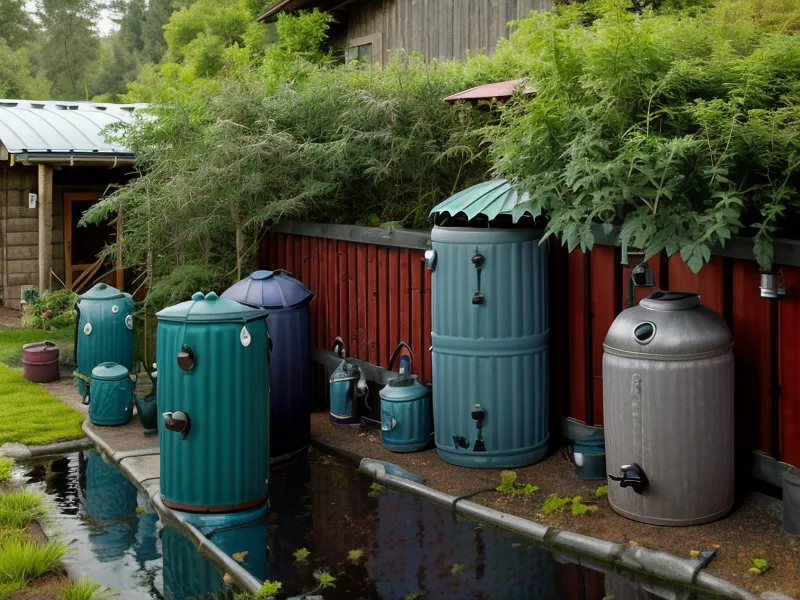
Late one sweltering evening in August, I stood by the well head in total silence, listening to the hollow, terrifying click of a pump sucking air instead of water. That sound—a mechanical, rhythmic thumping that basically screams you messed up—is something you never forget. I’d love to say I handled it like a seasoned pro, but the truth is I just stood there in the Oregon dust, while that instant, cold knot in my stomach formed as the kitchen faucet hissed air for the first time.
Heads up—this post includes some affiliate links. If you decide to buy something through them, I earn a commission at no extra cost to you. I only ever talk about the gear we actually use and trust out here on our five acres. I’m not an engineer or a water specialist—just someone who’s made enough mistakes to know what works. Check with a local plumber or well expert before you do anything major to your own system!
Moving from a Portland apartment to a rural property three years ago was a dream, but my "city-brain" was not prepared for the reality of finite potable water. In the city, you turn the tap and things happen. Out here, you are the utility company. And when your well recovery rate slows down in the peak of summer, you realize very quickly that you need a backup plan that doesn't involve hauling five-gallon buckets from the neighbor's house.
The Learning Curve: Why Any Old Tank Won't Do
When I first started looking for tanks, I thought a big plastic tub was a big plastic tub. I was wrong. I spent weeks navigating the confusing world of food-grade plastics and UV ratings, trying to find a tank that wouldn't turn my drinking water into a science experiment. You can’t just use any IBC tote you find on Craigslist—not if you plan on drinking the water or giving it to your animals.
The first thing I learned is that for drinking water, you need the NSF/ANSI 61 standard. This is a national safety standard for anything that touches drinking water. If it doesn't have that rating, it’s not for people. Then there’s the weight. Water is heavy—like, really heavy. A physical constant is that water weighs 8.34 pounds per gallon. When I was looking at a 500-gallon tank, I realized I was basically trying to park a medium-sized truck on a patch of dirt. I remember the metallic clink of a dropped wrench against the dry, cracked Oregon clay when my hands were too sweaty to hold it, trying to level a base for a tank I hadn't even bought yet.
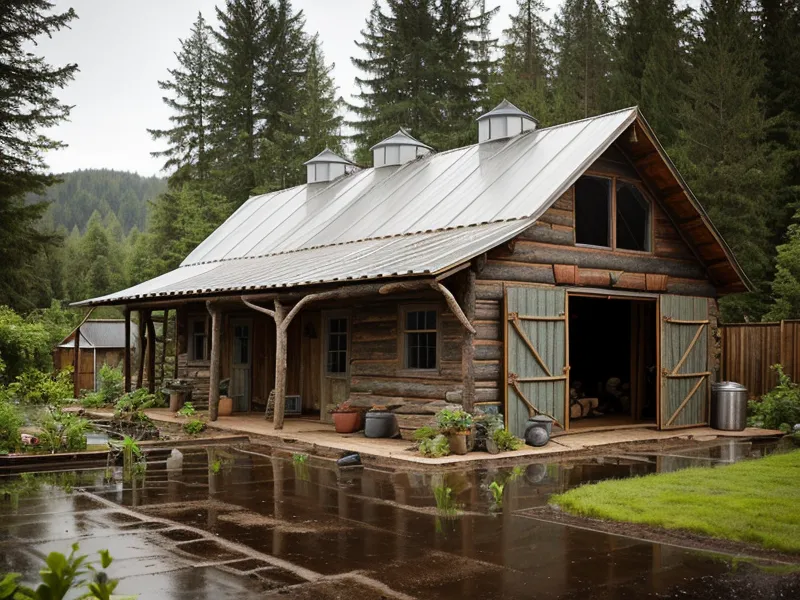
Another biggie is light. If light gets into your tank, you’re going to grow algae. Potable water tanks must be opaque to prevent light penetration. I also looked for a UV-8 rating, which is the industry standard for how long the plastic can sit in the sun before it starts getting brittle and cracking. Our Oregon sun might not be the Mojave, but it’ll still eat cheap plastic for breakfast.
The "Big Tank" Trap vs. Modular Thinking
Here is my slightly contrarian take: everyone tells you to get the biggest tank possible. They want you to drop a 3,000-gallon monolith in your yard. But for a small hobby farm, I’ve found that prioritizing massive high-capacity tanks often leads to stagnant water issues. Unless you’re cycling through that water constantly, it just sits there. And cleaning a tank you can’t reach the bottom of? That's a nightmare I’m not ready for.
Instead, I’ve fallen in love with modular, smaller systems. We started looking at the Aqua Tower because it didn't require a backhoe to install. It’s tall, slim, and actually fits in places where a giant round tank wouldn't. Plus, if one tank gets contaminated or has an issue (like the time a chicken managed to peck a hole in a cheap seal I’d used), you haven't lost your entire 3,000-gallon reserve.
If you're worried about the power going out while you're trying to manage these tanks, I highly recommend checking out my post on how I switched to a solar powered well pump. It’s been a game changer for keeping the storage topped off without stressing the grid.
The SmartWaterBox: The City-Brain's Best Friend
The real turning point for us happened mid-November. The rains had started, but our well was still acting funky from the summer draw-down. We finally invested in the SmartWaterBox. This wasn't just another tank; it was a system I could actually manage without an engineering degree. It’s designed to handle the filtering and the pressure, which took the guesswork out of the "how do I get the water from the tank to my kitchen?" problem.
What I love about it is the simplicity. When you’re used to a landlord fixing things, the sheer number of valves and pipes on a DIY system can make your head spin. The SmartWaterBox felt like it was designed for people like me—people who want things to work but are currently holding their rainwater harvesting system together with zip ties and stubbornness. It gave me a level of monitoring that stopped that "knot in the stomach" feeling from coming back every time I ran the dishwasher.
We also started using David's Shield for our secondary treatment. Since we’re off-grid and dealing with well water that can be a bit... moody... after a big storm, having a solid disinfection step is non-negotiable. You can read more about my experience with that in my UV disinfection guide.
Practical Tips for Small Farm Storage
If you’re just starting to look at tanks, here are a few things I learned the hard way:
- Foundation is everything: Remember that 8.34 pounds per gallon? If your base isn't perfectly level and compacted, your tank will lean. A leaning tank is a tank that’s going to burst. We used crushed gravel and spent way too long with a level.
- The Chicken Factor: If you have chickens, they will find a way to stand on your tank. They will poop on the lid. They will try to drink from the overflow. Make sure your seals are tight and your lids are screwed down.
- Freeze Protection: Even in rural Oregon, we get some nasty snaps. If your tank isn't insulated or buried, those valves will crack. I learned this during the "Frozen Pipe Panic" of our first year. You might want to look at tips for keeping water from freezing if you’re in a cold climate.
- Darkness is your friend: I know I mentioned this, but seriously—buy the black or dark green tanks. The white ones let in enough light to turn your water into a swamp within a few weeks of summer sun.
Reflections from the Spring Thaw
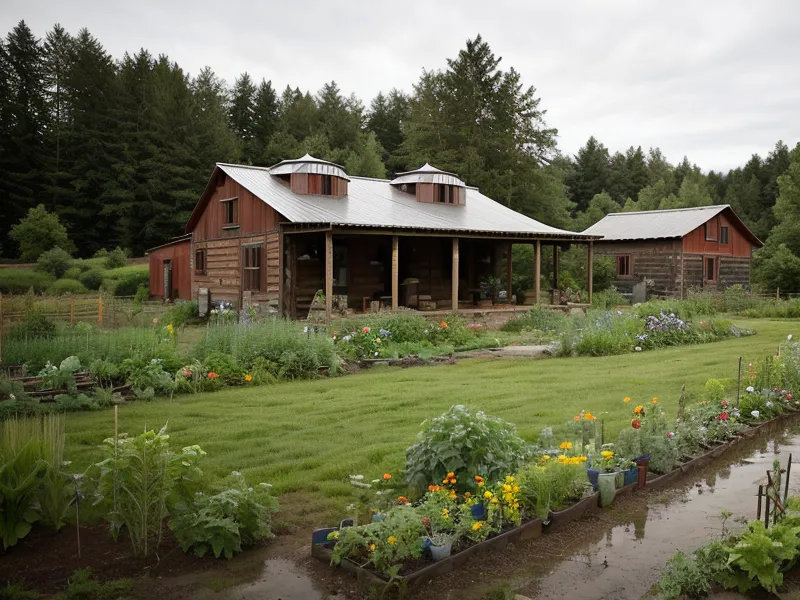
By early May of this year, as the spring thaw finished and the garden started demanding more water, I realized I wasn't panicked anymore. I can look at the gauge on our Aqua Tower and know exactly where we stand. My dogs are hydrated, my chickens (even the annoying ones that peck at the hardware) have plenty of water, and my vegetable garden isn't one dry spell away from wilting into the dirt.
Static water levels in residential wells can drop significantly during regional droughts, and having that buffer—that physical insurance policy sitting in a potable-grade tank—is the only way I can sleep at night. We’ve even kept a Dark Reset kit on hand for the truly "off-grid" moments when the power goes out for more than a day or two. You can see how I use that in my Dark Reset survival strategy.
Homesteading isn't about having a perfect, Pinterest-ready setup. It’s about figuring out how to keep the systems running when things go wrong. If you’re tired of worrying about your well or just want a backup for your small farm, don't wait until the pump starts clicking in August. Start small, look for the NSF/ANSI 61 rating, and give yourself the peace of mind that comes with a full tank of water. If I can figure this out—someone who once tried to prime a pump with a garden hose and a prayer—you definitely can too.
If you're ready to get serious about your backup, I'd highly suggest starting with the SmartWaterBox or the Aqua Tower. They’ve made my life infinitely easier, and they’ll do the same for yours. Just remember to keep the chickens away from the valves!