
One cold morning in late January, the kitchen faucet started coughing like it had a chest cold. I was just trying to rinse out a coffee mug, but instead of a steady, comforting stream, I got a jagged, angry mist that sprayed sideways, soaking my sleeve and the sleeping dog nearby. It was the kind of petty homestead frustration that makes you miss the days when a quick call to a landlord would solve everything.
Moving from a Portland apartment to five acres in rural Oregon three years ago taught me many things, mostly through expensive mistakes. I used to think 'hard water' was just a marketing term for fancy soap commercials. Now, I know it’s a physical reality that lives in our well and slowly tries to reclaim our plumbing for the earth. That white, crusty ring around the base of the tap? It wasn't just a cosmetic annoyance; it was a warning sign that our water was choking our fixtures from the inside out.
The Reality of Rural Mineral Buildup
Back in mid-November, I first noticed the crust getting thicker. Living out here, our water comes straight from the ground, filtered through layers of volcanic rock and basalt. While it tastes amazing, it’s packed with calcium carbonate. According to the USGS, the threshold for 'hard' water starts at 121 mg/L, and our local tests usually blow right past that. It’s the price we pay for living in such a beautiful, geologically active corner of the world.
By the time that late January 'coughing' incident happened, the mineral buildup had become a full-blown blockage. I tried the city-person approach first: I grabbed a heavy-duty scouring sponge and started scrubbing with a prayer. All I got was a sore shoulder and a slightly shinier version of the same rock-hard crust. Manual labor doesn't stand a chance against geological formations that have had months to solidify. I even thought about buying a whole new faucet, but then I remembered that I’m the one who has to install it now, and that thought was enough to make me keep trying.
The Wrench Mistake and the Learning Curve
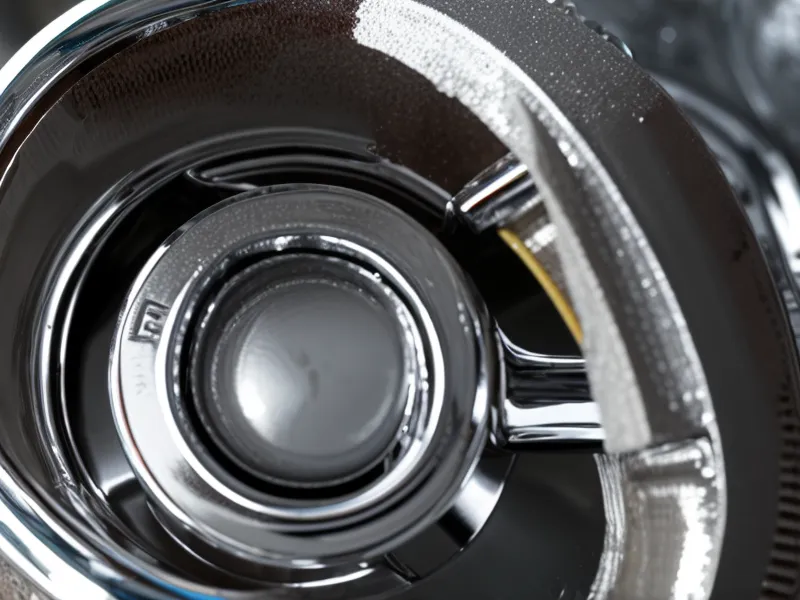
One rainy Tuesday morning, I decided to get serious. I grabbed a pair of pliers and a metal pipe wrench, determined to unscrew the aerator—the little mesh screen at the end of the faucet—and see what was going on. In my excitement to fix something for once, I made a classic rookie move. I used the metal pipe wrench directly on the chrome finish without any protection. I heard a sickening scrape and realized I had left deep, permanent gouges in the metal because I forgot to wrap the tool in a rag first.
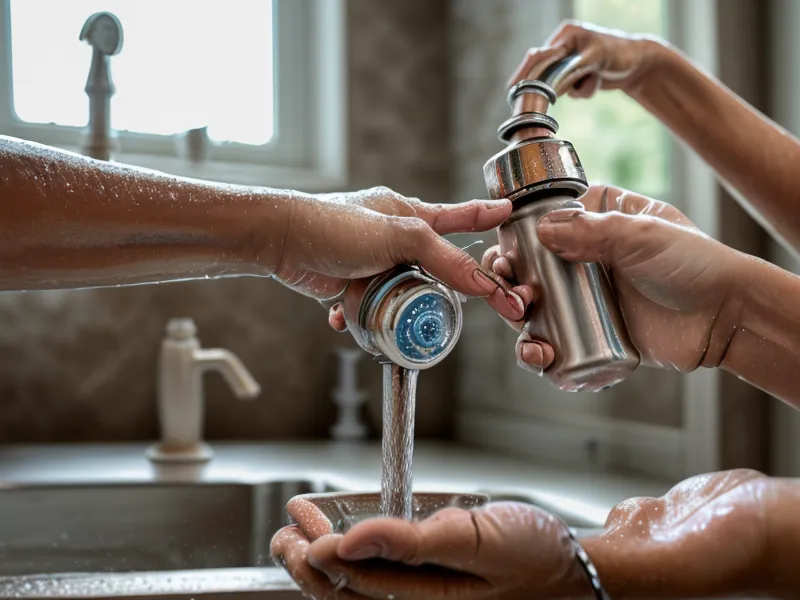
It was a humbling moment. I’m not a plumber, and I have zero engineering credits to my name—just a lot of trial and error and a partner who is very patient with my 'projects.' I eventually got the aerator off (after wrapping the wrench in an old dishcloth, finally) and held it up to the light. It was almost entirely plugged. When I unscrewed it, I felt the gritty, sand-like texture of calcium flakes rubbing between my thumb and forefinger. It felt like I was holding a tiny piece of the Oregon landscape in my hand, which would be poetic if it weren't ruining my 1.5 GPM flow rate.
If you're dealing with similar sediment issues, you might also want to look into the Best Sediment Filter for Well Water to Save Your Washing Machine because if your faucets look like this, your appliances are likely feeling the grit too. It’s all part of the steep learning curve we faced after leaving the city. I spent so much time worrying about what every former city dweller needs to know about well recovery rates that I completely ignored the slow-motion disaster happening at the tip of my kitchen sink.
The Vinegar Baggie Trick (With a Warning)
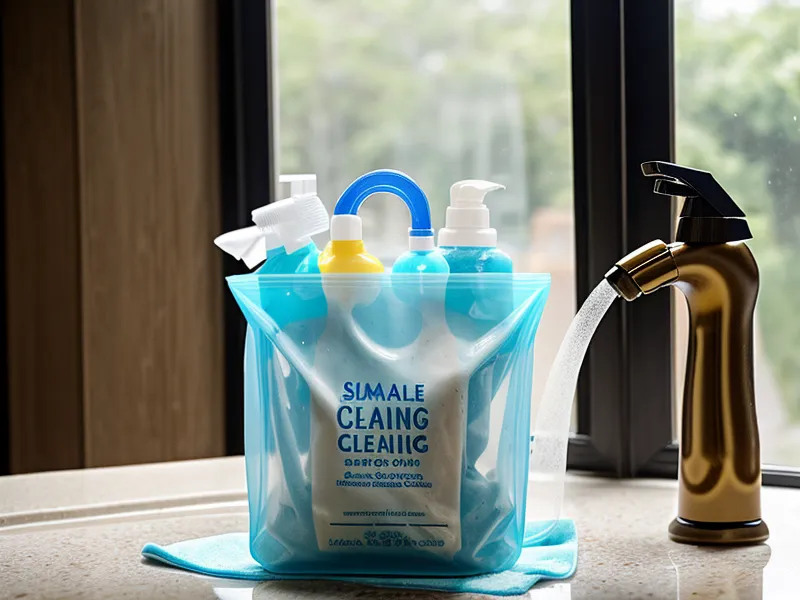
The standard advice you’ll find on every Pinterest board is the 'vinegar baggie' trick. You take a small plastic bag, fill it with distilled white vinegar—which usually has a 5% acidity—and rubber-band it around the faucet so the tip stays submerged overnight. The acetic acid is supposed to dissolve the minerals while you sleep. I tried this on our bathroom faucet in early April, and the relief of seeing those mineral chunks dissolve without any scrubbing was genuinely addictive.
However, here is the 'rural homestead' reality check: Stop using vinegar on your aerators long-term. While it’s great for the solid brass or high-end stainless steel parts of the faucet body, many of the aerators and internal threads in rural or off-grid-friendly fixtures are made of cheap zinc-alloys. That 5% acidity, if left to soak too often, can permanently corrode those threads. I found out the hard way when an aerator literally crumbled in my hand after its third 'vinegar bath' because the acid had eaten the metal, not just the lime scale.
Now, I use a much gentler approach for the delicate parts. I still use the vinegar bag for the exterior 'crust' on the faucet neck, but for the aerator itself, I remove it and soak it in a very diluted lemon juice solution for just twenty minutes, then use an old toothbrush to flick away the softened grit. It takes a little more 'handy' work, but it saves the hardware. If your water has other issues, like a metallic tang or a funky scent, you might be dealing with more than just calcium; I actually wrote a piece on how to get rid of sulfur smell in well water that covers the more 'aromatic' side of well ownership.
Becoming the Steward of Your Own Water
The chickens somehow always know when I’m working on the plumbing. They gathered at the back door, watching me through the screen as I reassembled the kitchen faucet. One of them actually tried to peck at the shiny chrome through the mesh. I think they were just as confused by the sudden return of a normal water stream as I was. It’s funny how such a small thing—a clear, splashing 1.5 GPM flow—can feel like a major victory when you've been living with a 'coughing' sink for months.
Living without a landlord means becoming the steward of your own infrastructure, one small maintenance habit at a time. It’s not about having a perfect, Pinterest-worthy homestead; it’s about figuring out how to keep the water running and the lights on without losing your mind. I'm definitely not a licensed plumber, and if you see a leak that looks more like a geyser, please call a professional before your kitchen becomes a swimming pool. But for the crusty faucets? You’ve got this.
These days, I keep a dedicated 'plumbing rag' (to prevent those wrench gouges!) and a bottle of lemon juice under the sink. Every few months, I do a quick check of all the taps. It’s a small price to pay for the quiet of the woods and the taste of water that hasn't been through a city treatment plant. Just remember to be gentle with those zinc threads, and maybe keep the chickens out of the work zone—they aren't nearly as helpful as they think they are.